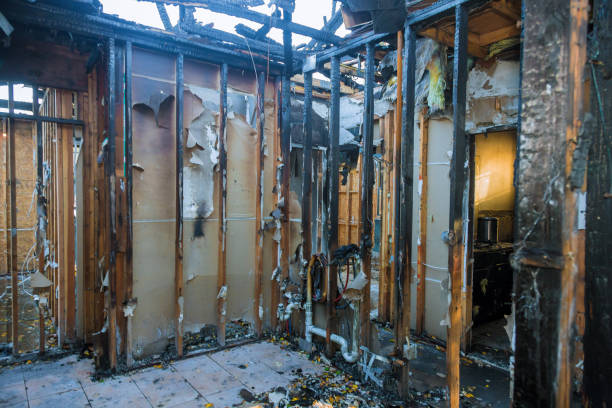
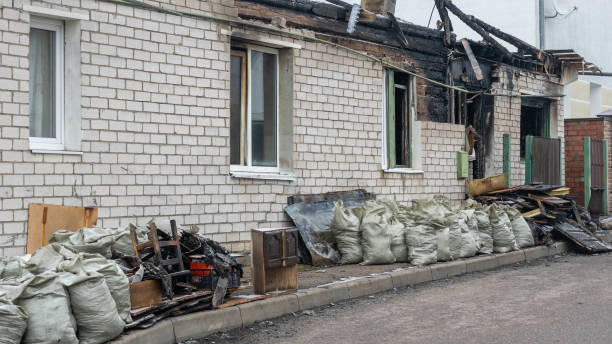
Airborne soot is acidic and can start corroding metal fixtures within about 48 hours, which is why Soot Cleanup response speed matters as much as the cleaning technique itself.
📞 Call +1-866-484-1409 Now
Chemical sponges lift soot particulate instead of smearing it into the surface.
Porous surfaces like drywall get different treatment than tile, glass, or metal.
Soot turns corrosive on metal within about 48 hours — we move quickly.
HEPA vacuums capture fine particulate instead of recirculating it into the air.

The primary tool for lifting soot from porous surfaces like drywall and painted trim without smearing.
Fine soot particulate pulled from carpets, upholstery, and HVAC returns using HEPA-filtered equipment.
Non-porous surfaces respond well to solvent cleaners that would stain something more absorbent.
Acidic soot residue on hardware, faucets, and electronics gets neutralized before pitting sets in.
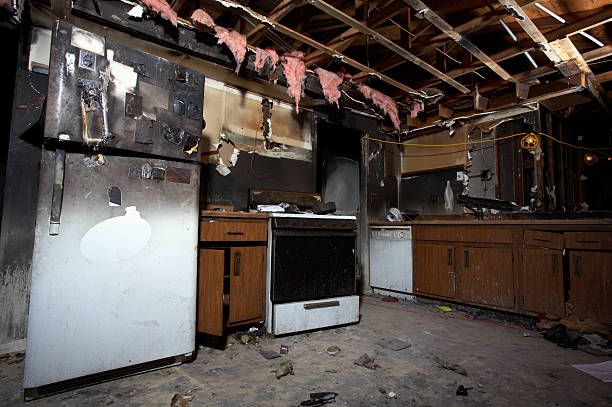
Overhead surfaces often carry the heaviest particulate load and need careful sponge technique to avoid streaking.
We clean vents and returns as part of the same visit, not as a separate service call.
A technician answers and schedules the fastest available crew.
Crews arrive with HEPA vacuums and dry-chemical sponges on board.
Surfaces assessed by type before a written price is quoted.
Cleaning proceeds surface by surface with a final walkthrough to confirm.
"Our own cleanup attempt made the soot streaks worse — the dabbing technique they used actually worked." — Homeowner, Loretto
"Fast response meant the metal fixtures got treated before any real corrosion set in." — Homeowner, Loretto, MN
"I didn't expect the vacuum step to matter that much, but the carpets ended up much cleaner than our own attempt." — Homeowner, Loretto
Wiping smears fine particulate deeper into porous surfaces instead of lifting it out.
Ideally within 48 hours, since acidic soot residue starts pitting metal fixtures after that.
Surface type determines whether we use dry sponges or solvent-based cleaners.
Soot removal reduces odor but a dedicated odor treatment may still be needed for lingering smell.
Carpets and upholstery get vacuumed first to avoid smearing particulate when they're cleaned.
Usually within the hour, with Loretto crews staged locally.
We keep response times short across Loretto specifically because soot corrosion is a time-sensitive problem.